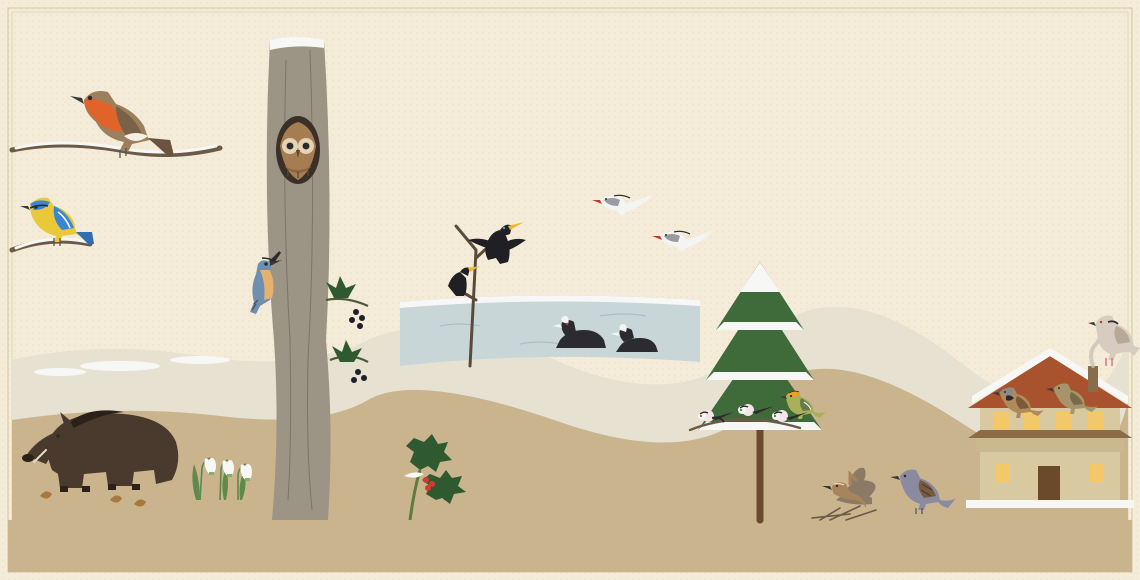
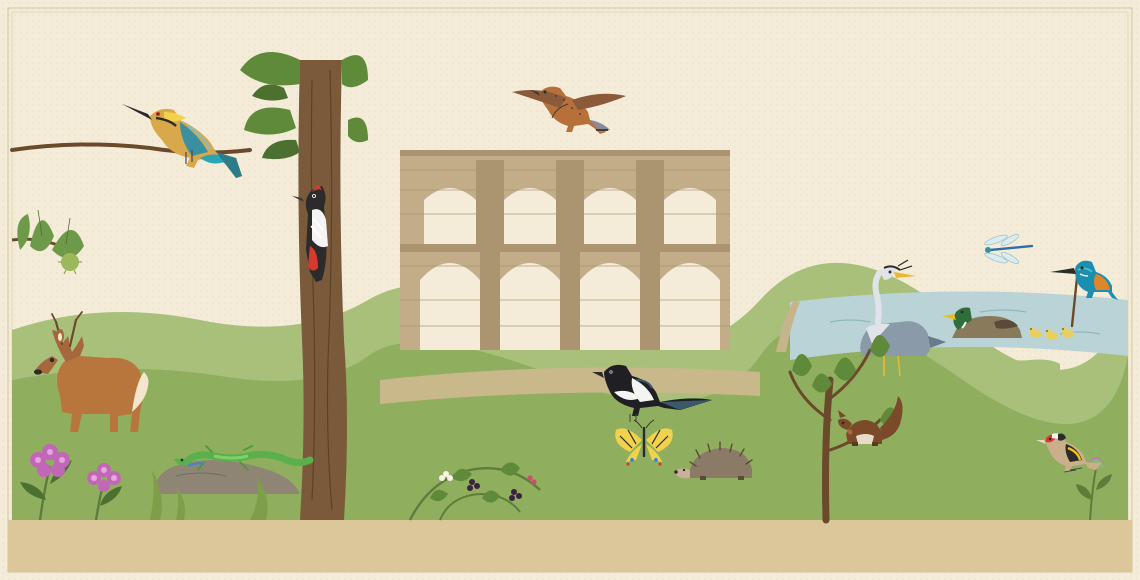
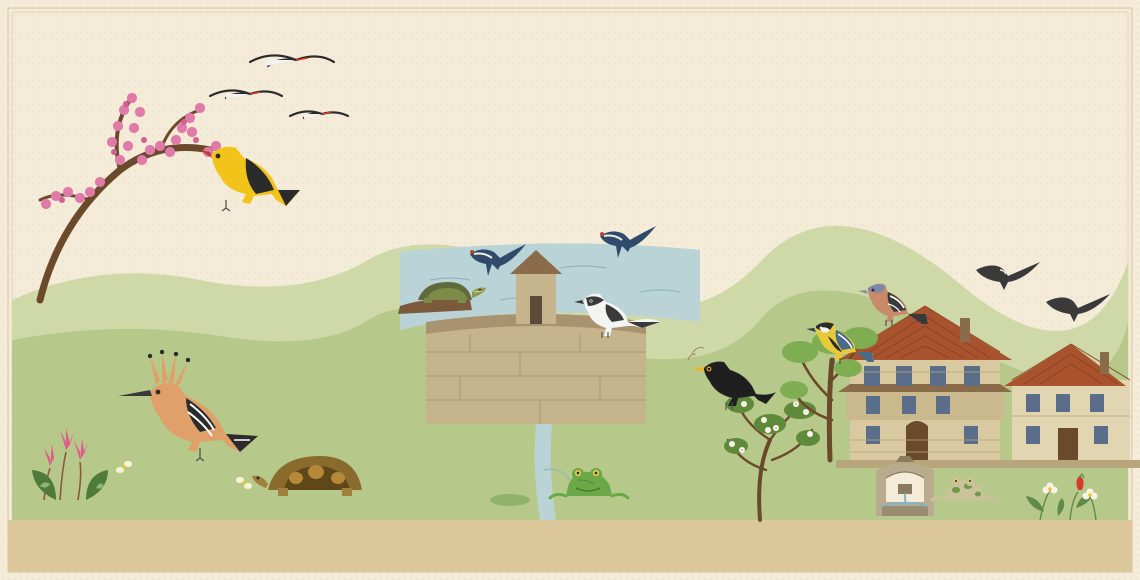
Get to know the birds of Kemerburgaz by their homes: who nests where, with what and why? Choose a kind of nest, then click a bird.
Nest etiquetteDuring the breeding season (March–July) keep away from nests and never pull a branch aside for a photograph; watch the nest from a distance through binoculars. If you find a young bird on the ground, its parents are usually close by.
Eight kinds of nest
Birds fall into eight groups according to where they build. Choose a kind of nest and the birds that use it are listed below; click a bird to read what it weaves the nest from, which micro-habitat it builds in, and why it can do so here.
Cavity
Inside a hole in a tree or wall, well protected from predators
Why Kemerburgaz?
Whether a bird can nest here depends not on one thing but on several being present at once. These are the four reasons Kemerburgaz is so well populated:
Old trees
The century-old oaks and beeches of the Belgrade Forest are home to everything that nests in a hollow.
Dams and streams
The Ottoman dams hold water all year, and the stream banks and reed beds give waterbirds somewhere to nest.
Old structures
Aqueducts, bridges and the eaves of village houses offer ready-made cavities to the birds that nest in walls and roofs.
Hedges and meadows
Thorny hedges and unmown meadows both shelter and feed the birds that build cup nests.